A fifteen minute ride in a velomobile. Previously: The velomobile: high-tech bike or low-tech car?
Archives for March 2012
Velomobiling
March 26, 2012 by Filed Under: Bicycles, Bikes, Pedal power, Recumbent tricycles, Travel, Tricycles, Trikes, Video
Open Source Energy Production: The Solar Fire P90
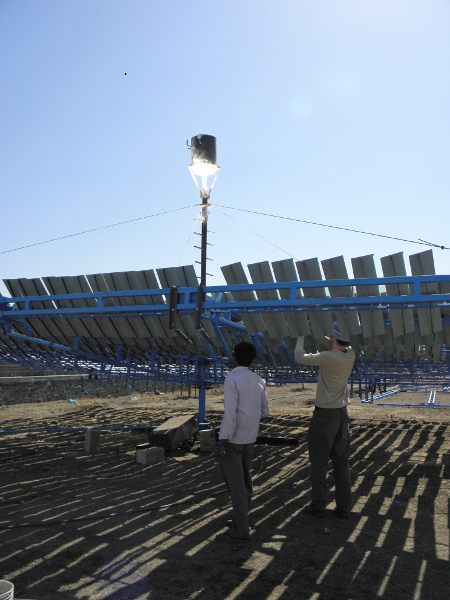
Solar Fire is currently testing a larger version of its low-tech solar concentrator; the Solar Fire P90. Just like its smaller predecessor the Solar Fire P32 (which we covered before), the machine can produce heat, electricity and direct mechanical energy, making it suitable to manufacture almost anything on your roof or in the garden.
The Solar Fire P90 delivers up to 5 kW of electricity and 40 kW of thermal energy, is built using simple, abundant and non-toxic materials, and requires no foundation in the ground. The frame size is 11.5 x 11.5 metres and the machine requires an area of 16 x 16 metres for revolving.
Tracking is done by hand using a simple but ingenious system — one person can operate up to five of these solar concentrators at the same time. The Solar Fire P90 is an open source design, but it can also be bought for about $ 12,000, excluding transport costs.
A video of the tests can be found here. For more information on the workings and applications of these kinds of machines, see the article “The bright future of solar thermal powered factories“.
Picture: Solar Fire.
Dog Sulkies: Pet Powered Mobility
March 8, 2012 by Filed Under: Animal power, Cargo, Dogs, Random, Travel
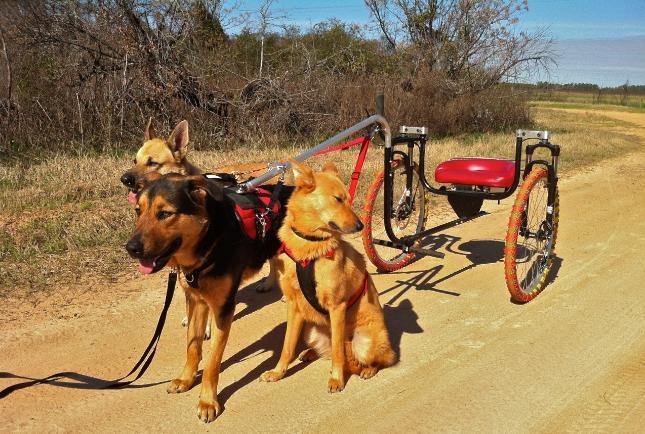
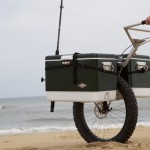
Dog owners looking for a more sustainable means of personal transportation should not look any further: the dog sulky is the answer. Dog powered vehicles have been used for the transport of goods and passengers in some European countries during the nineteenth and early twentieth centuries. Compared to those vehicles, the modern dogcarts offered by ChaloSulky promise to deliver a much smoother ride. The carts benefit greatly from the use of bicycle wheels, suspension and brakes. Moreover, the dogs are not confined between two shafts. Instead, only one shaft goes over the animals’ back, making the vehicle lighter and giving the dogs more freedom of movement.
Pottery Refrigerators
March 5, 2012 by Filed Under: Food storage, Refrigeration
Ngo Practical Action is working with communities to make zeer pots – very clever fridges made using clay, water and sand. They consist of two earthenware pots of different sizes, placed one inside the other. The space between is filled with damp sand that’s kept moist by adding water, and the smaller pot is filled with food. The top is covered with a damp cloth, then as the water in the sand evaporates towards the outer surface of the larger pot, there’s a drop in temperature of several degrees. This keeps the contents of the smaller pot cool. A zeer pot can keep 10kg of food fresh for up to 20 days.