Like Europe, China has many languages and cultures. In contrast to Europe, everyone in China communicate with each other through a common script: Hanzi. A text drawn up in Chinese characters for every literate Chinese to understand, even if they don’t share a common language. Europe has tried to forge unity through a common currency, the market, regulation and parliament. These elements have so far not delivered a broad common identity. Europe is separated by language.
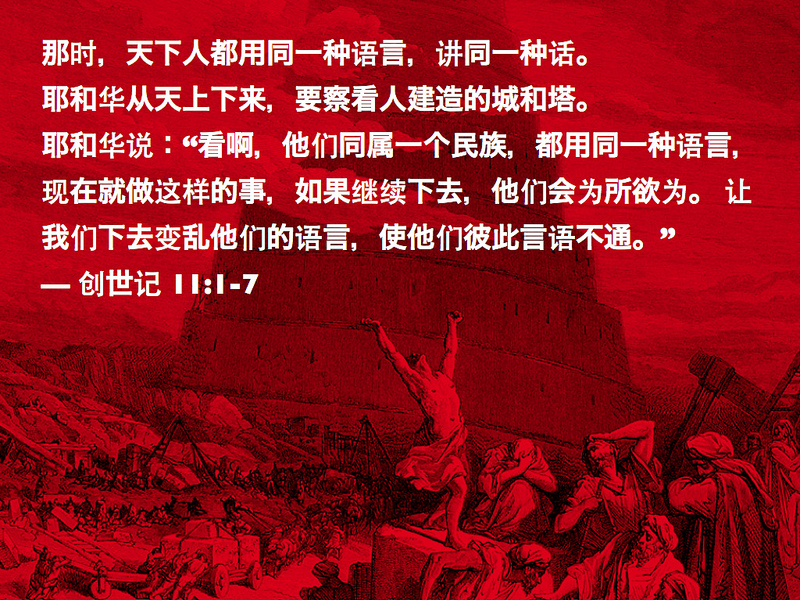
Babel is a project initiated by Monnik and Studio Rooiejas in which they design and develop a logographic script for Europe. With a logographic writing we could read (and write) each other’s newspapers even if we can not understand each other. A design solution through which one could instantly create a truly European public space. In a logographic writing each word or concept is represented by a separate symbol, called a logogram. Because these characters have a symbolic and not a phonetic value they can be used universally, even by people who do not speak each other’s languages.
A logographic language as a solution to Europe’s “confusion of tongues” sounds far-fetched and obvious at the same time. It would be practical if it existed, completely impractical to implement, and most of all insightful and evocative food for thought.