Archives for February 2017

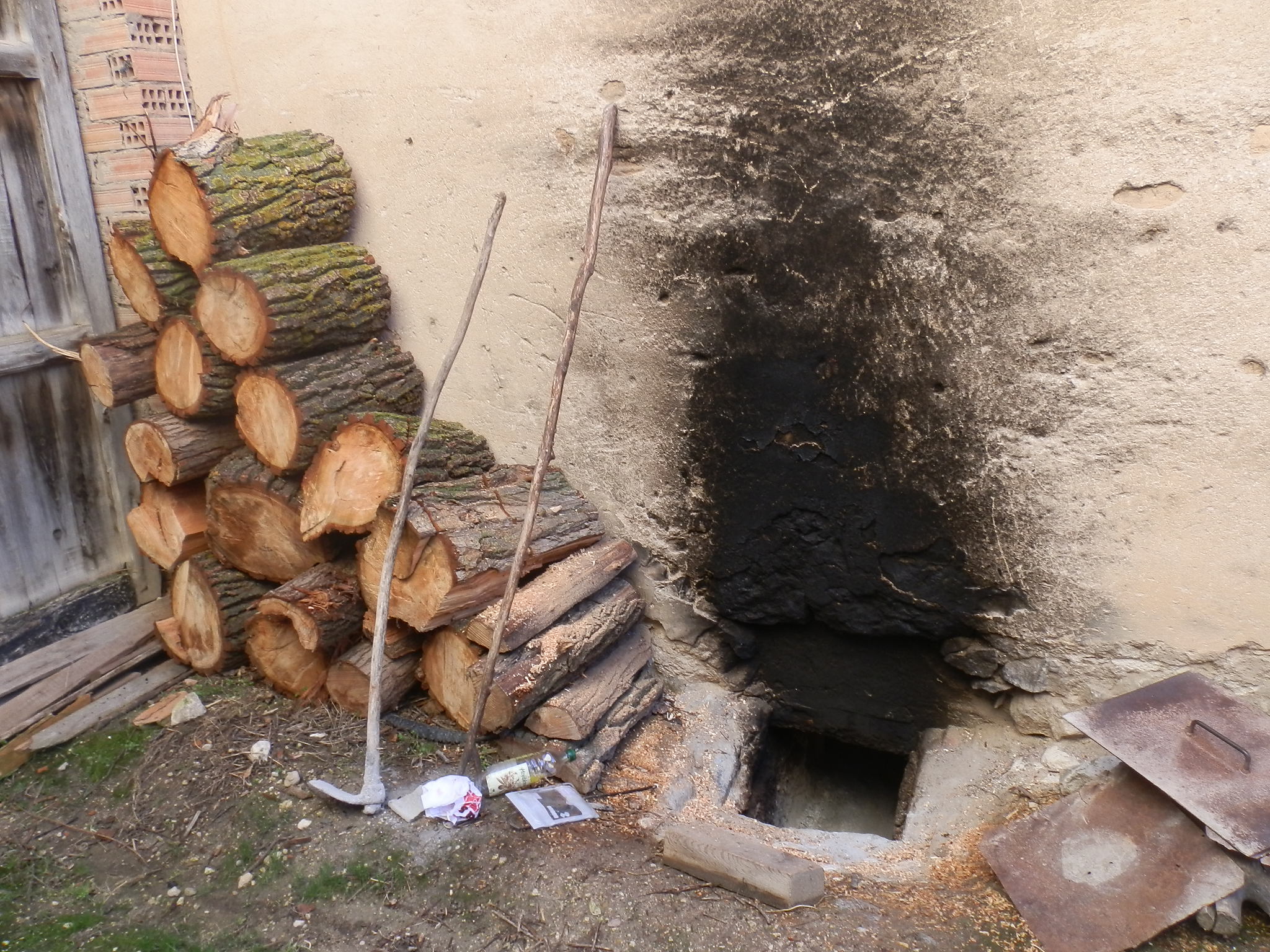
Medieval Heating System Lives on in Spain

The Meseta Central is a vast plateau in the heart of Spain with long, cold winters and short, scorching summers. The locals say that there’s “nine months of winter” and “three months of hell”. The region has little trees, so heating (and cooling) has always been a challenge.

In the early middle ages, the Castillians developed a subterranean heating system that’s a descendent of the Roman hypocaust: the “gloria”. Due to its slow rate of combustion, the gloria allowed people to use smaller fuels such as hay and twigs instead of firewood. [Read more…]

Low-tech Baby Care

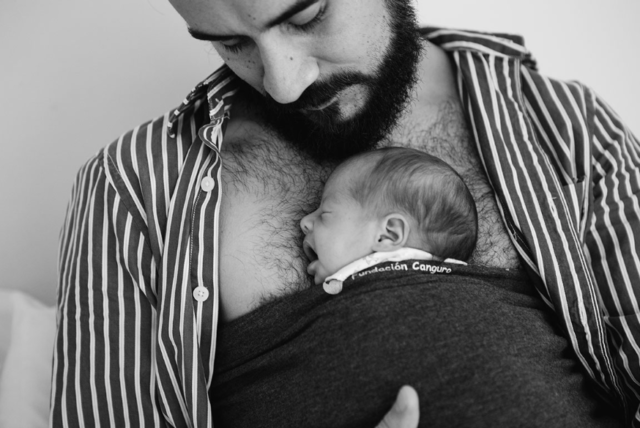
Kangaroo Mother Care (KMC) is the brainchild of Colombian pediatrician Edgar Rey, who introduced it to the Instituto Materno Infantil in 1978. It was an idea born out of desperation. The institute served the city’s poorest—those who lived crammed in the rickety makeshift dwellings in the foothills of the surrounding mountains. At the time, this was the biggest neonatal unit in all of Colombia, responsible for delivering 30,000 babies a year.

Overcrowding was so bad that three babies would have to share an incubator at a time and the rate of cross-infection was high. Death rates were spiraling, and so too was the level of abandonment. Many young, impoverished mothers who never even got to touch their babies found it easier just to take off.

Scouting around for a solution to these problems, Rey happened upon a paper on the physiology of the kangaroo. It mentioned how at birth, kangaroos are bald and roughly the size of a peanut—very immature, just like a human pre-term baby. Once in its mother’s pouch, the kangaroo receives thermal regulation from the direct skin-to-skin contact afforded by its lack of hair. It then latches onto its mother’s nipple, where it remains until it has grown to roughly a quarter of its mother’s weight, when it is finally ready to emerge into the world.

This struck a chord with Rey. He went back to the institute and decided to test it out. He trained mothers of premature babies to carry them just as kangaroos do. Working alongside his colleague Hector Martinez, he taught them the importance of breastfeeding and discharged them just as soon as their babies were able. The results were remarkable. Death rates and infection levels dropped immediately. Overcrowding was reduced because hospital stays were much shorter, incubators were freed up, and the number of abandoned babies fell.

Read more: Kangaroo care—why keeping baby close is better for everyone, Ars Technica. Thanks to Tim Miller.

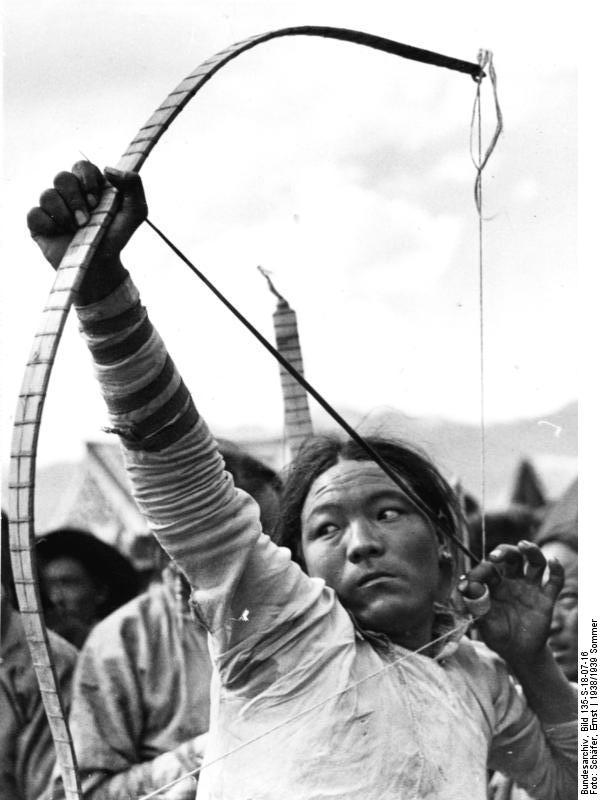
Military Complexity: Lasers or Longbows?

As military capabilties have evolved, so too have their complexity. Indeed, they are in a symbiotic relationship in that advanced military capabilities are both a product of and dependent on a complex network of resources, products, services and organisations.

A comparison of the manufacturing requirements for the traditional aboriginal spear and the F88 Austeyr assault rifle provides an example of how complexity has increased.

Arguably, there is an exponential increase in complexity because the manufacture of modern military equipment is dependent on a number of other industries, such as finance, telecommunications, information technology and energy.

The networks that support military capabilities are a subset of the broader global economy, implying that advanced military capabilities cannot exist without the underlying economic base to support it. [Read more…]

The Slingshot Channel

The Slingshot Channel is a dedicated YouTube channel that covers rubber powered launchers in each and every detail.

Thanks to Edwin Gardner.