Archives for March 2020

A “Dacha” for Everyone? Community Gardens and Food Security in Russia

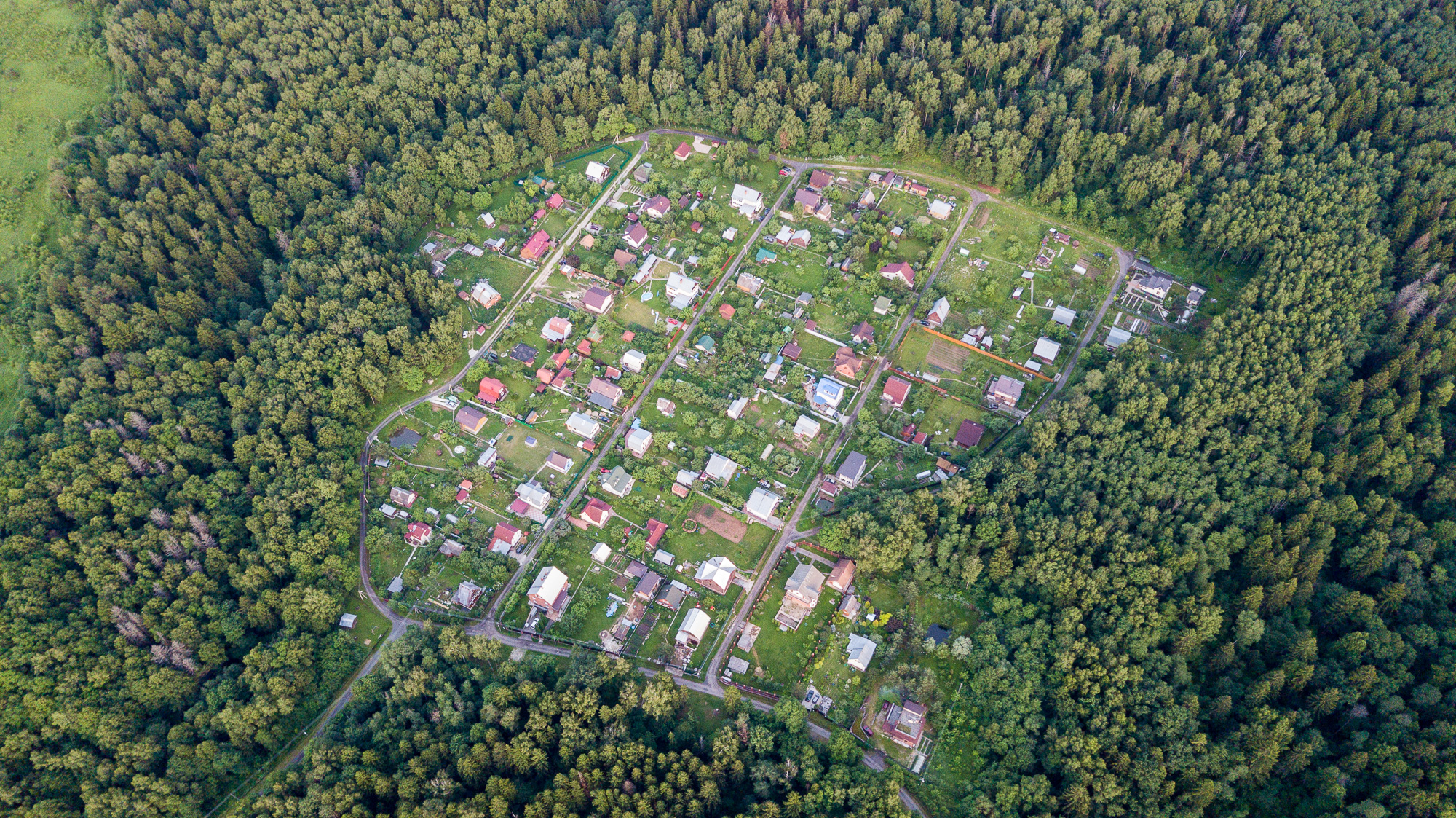
Russia’s large-scale peri-urban community agriculture has proven to be a very resilient food system. In this guest post, Arthur Grimonpont investigates the phenomenon and wonders if it could be reproduced in other industrial nations, for example in France.

Image: Dacha settlement, Kursk Oblast, by Petr Magera (CC BY 2.0).
[Read more…]

How much of life do we want to sacrifice at the altar of security?

How much of life do we want to sacrifice at the altar of security? If it keeps us safer, do we want to live in a world where human beings never congregate? Do we want to wear masks in public all the time? Do we want to be medically examined every time we travel, if that will save some number of lives a year? Are we willing to accept the medicalization of life in general, handing over final sovereignty over our bodies to medical authorities (as selected by political ones)? Do we want every event to be a virtual event? How much are we willing to live in fear?

Covid-19 will eventually subside, but the threat of infectious disease is permanent. Our response to it sets a course for the future. Public life, communal life, the life of shared physicality has been dwindling over several generations. Instead of shopping at stores, we get things delivered to our homes. Instead of packs of kids playing outside, we have play dates and digital adventures. Instead of the public square, we have the online forum. Do we want to continue to insulate ourselves still further from each other and the world?

It is not hard to imagine, especially if social distancing is successful, that Covid-19 persists beyond the 18 months we are being told to expect for it to run its course. It is not hard to imagine that new viruses will emerge during that time. It is not hard to imagine that emergency measures will become normal (so as to forestall the possibility of another outbreak), just as the state of emergency declared after 9/11 is still in effect today. It is not hard to imagine that (as we are being told), reinfection is possible, so that the disease will never run its course. That means that the temporary changes in our way of life may become permanent.

Read more: The Coronation, Charles Eisenstein.

Copper Kills Superbugs

In China, it was called “qi,” the symbol for health. In Egypt it was called “ankh,” the symbol for eternal life. For the Phoenicians, the reference was synonymous with Aphrodite—the goddess of love and beauty.

These ancient civilizations were referring to copper, a material that cultures across the globe have recognized as vital to our health for more than 5,o00 years. When influenzas, bacteria like E. coli, superbugs like MRSA, or even coronaviruses land on most hard surfaces, they can live for up to four to five days. But when they land on copper, and copper alloys like brass, they die within minutes. “We’ve seen viruses just blow apart,” says Bill Keevil, professor of environmental healthcare at the University of Southampton. “They land on copper and it just degrades them.”

Read more: Copper kills coronavirus. Why aren’t our surfaces covered in it?

Low-Cost Breathing Ventilators

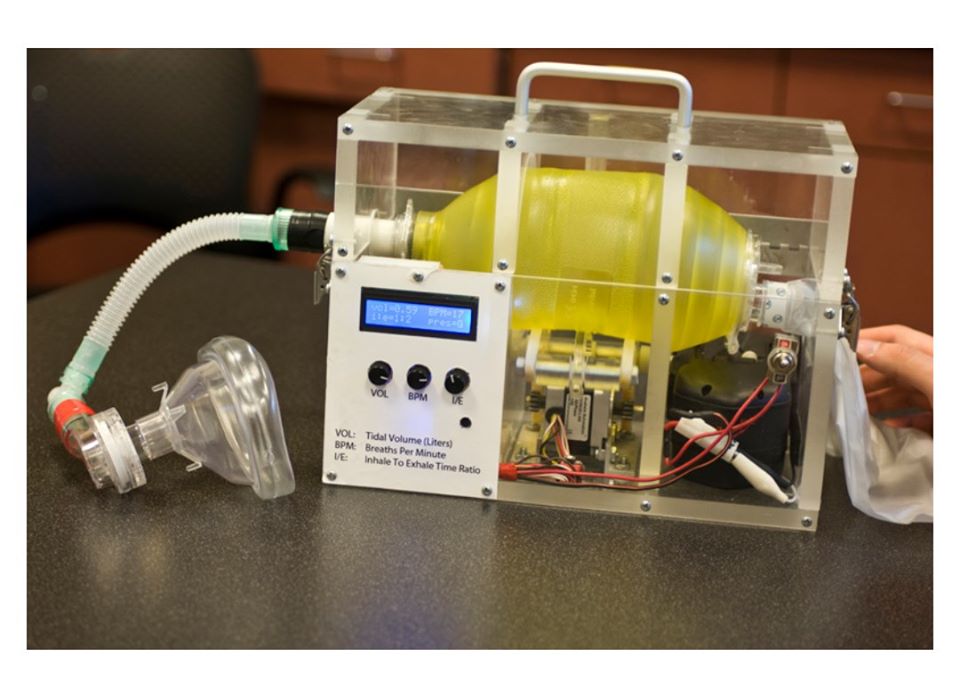
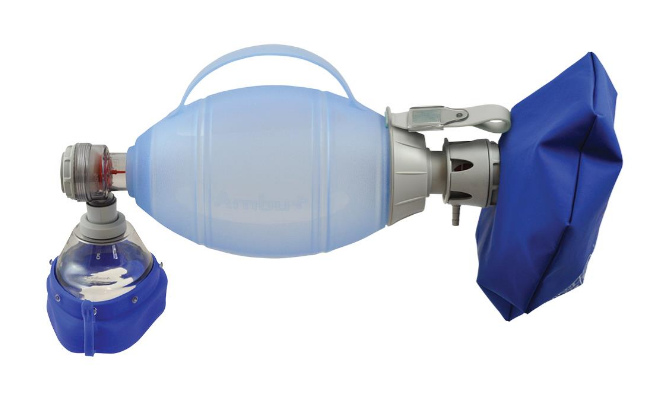
The high price of machine ventilators forces many hospitals in the poorest regions of the world to rely on a simple solution known as an Ambu Bag that requires constant manual pressure in order to get oxygen to the lungs.The Umbulizer is a mechanically powered version of the Ambu Bag.

More info & on-going efforts to design low-cost (incl. DIY/3d-printed) ventilators: