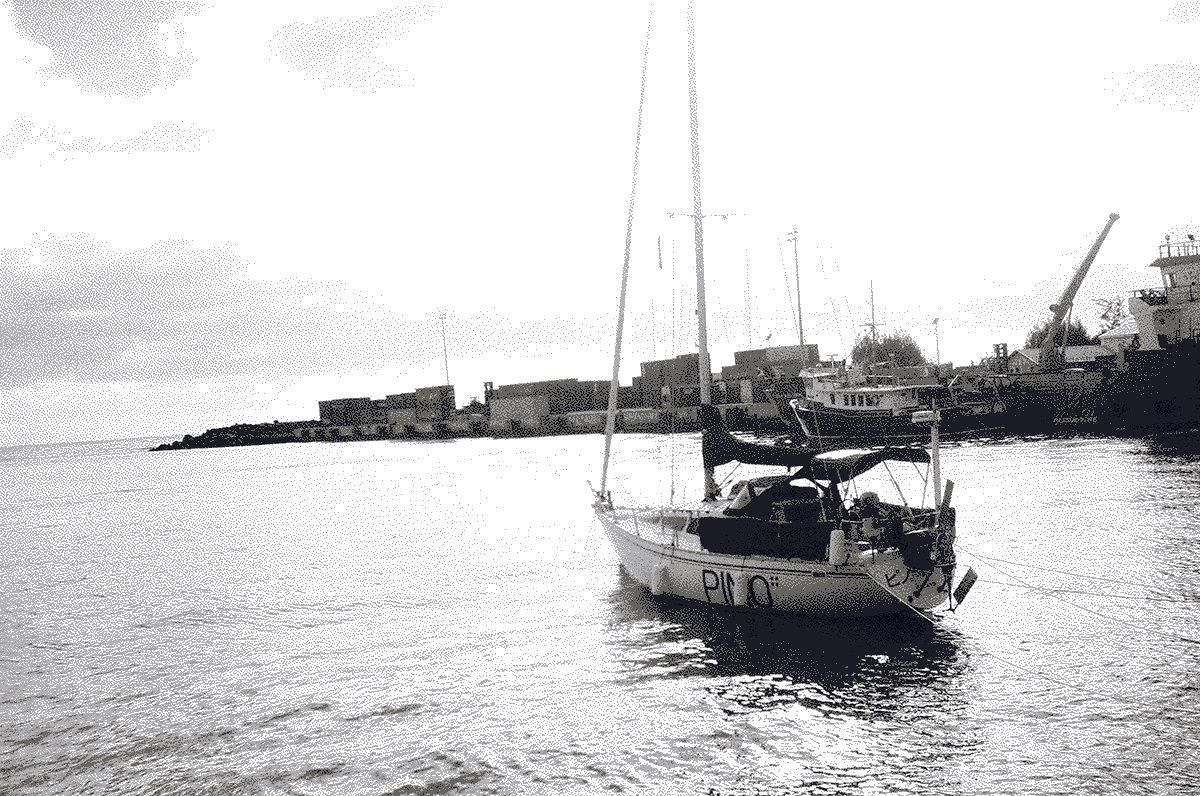
The hundred rabbits research lab does experiments on resilience and self-reliance through low-tech solutions. The two-headed team practice what they preach: the lab is located on a small sailboat that has been traveling across the oceans since 2016. Among other things, their website contains a lot of practical information for those who want to go off-the-grid, whether it is on land or on water. Because they run a design studio and create free and open source software, there’s also sound advice on how to work off-the-grid efficiently.
Archives for July 2021
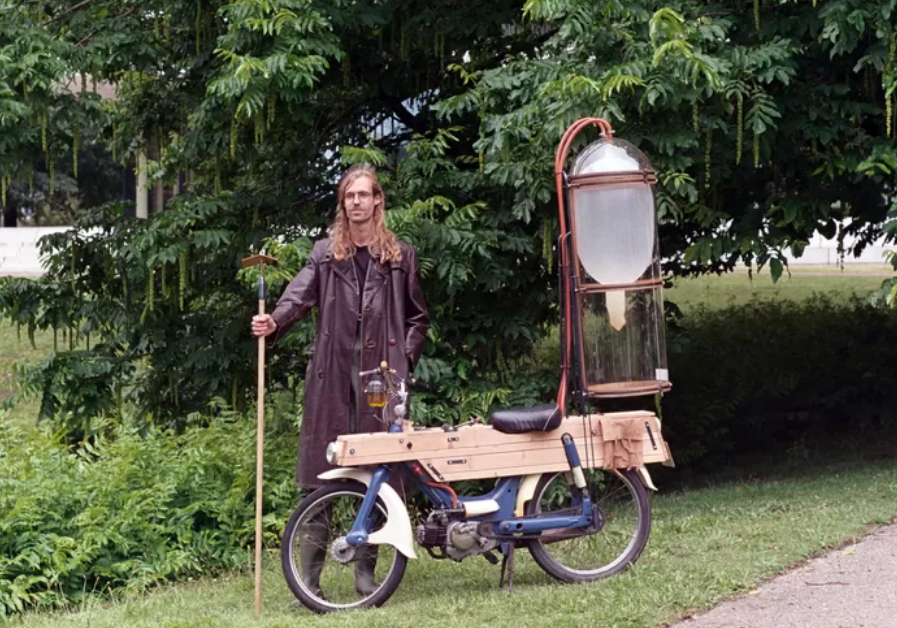
Inventor harvests methane gas from ditches and ponds to power his moped
Shallow ponds and ditches are producers of greenhouse gases, especially methane, which is released by the breakdown or decay of organic material. Gijs Schalkx harvests this methane from ponds — by hand — and uses it to power his moped. Eight hours of hoeing in a ditch supplies him with enough fuel to ride his vehicle for 20 km. He calls it “a quest on keeping the combustion engine alive in a fossil free future”. [Read more…]
Low Tech Webring Directory
The Low Tech Webring Directory is for homepages of people who are interested in low tech, small game tools, and other forms of Web 1.0 inspired creativity.
We believe in Science
Theoretically, science is the contrary of religion because, while the latter is dogmatic, science should be anti-dogmatic, based on rationality and on an objective and empirical methodology. However,… science contributes to create the cultural system whereby we live and that gives meaning to our reality, which is based on some basic assumptions/beliefs: our “faith”.
The core of science has embodied the heritage of Christianity and Hebraism and, in a different way, could be practiced as a religion from many people. For western religions, the past was evil, the present redemption and future heaven. For science the past is ignorance/superstition, the present consists of progress using the tools of science, and the future consists in the positivistic promise of a sort of heaven in the real world.
Quoted from: Aillon, J. L., and M. Cardito. “Health and Degrowth in times of Pandemic.” Visions for Sustainability 14 (2020): 3-23.
Full issue of the magazine (Health and Degrowth Special).
Image by Kārlis Dambrāns – Mobile World Congress 2018, CC BY 2.0.
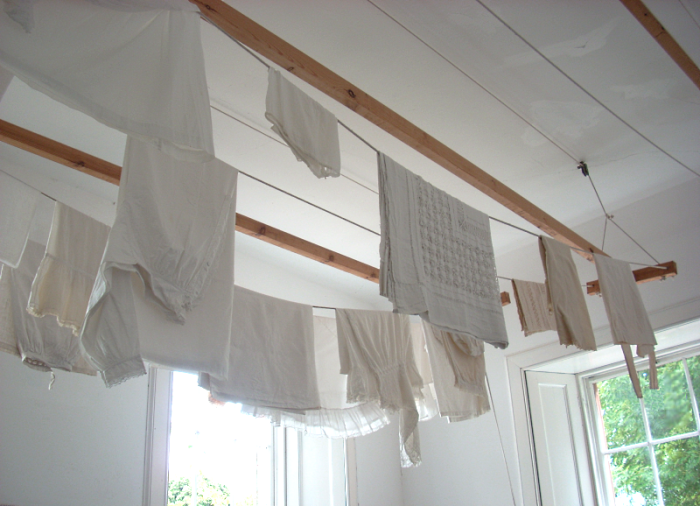
Drying clothes near the ceiling

“It’s winter in northern Europe, and there’s no electricity. How can you dry your laundry? One of the best places of all is a laundry room in the servants’ quarters of a mansion house. A generous ceiling height means you can have frames for wet clothes and household linen in the warmest, dryest part of the room. The estate handyman would make them, and by the later 19th century he would probably add ropes and a pulley to raise and lower the rack. No need to climb on a chair to hang laundry.”
Read more: Drying clothes near the ceiling, HomeThingsPast.
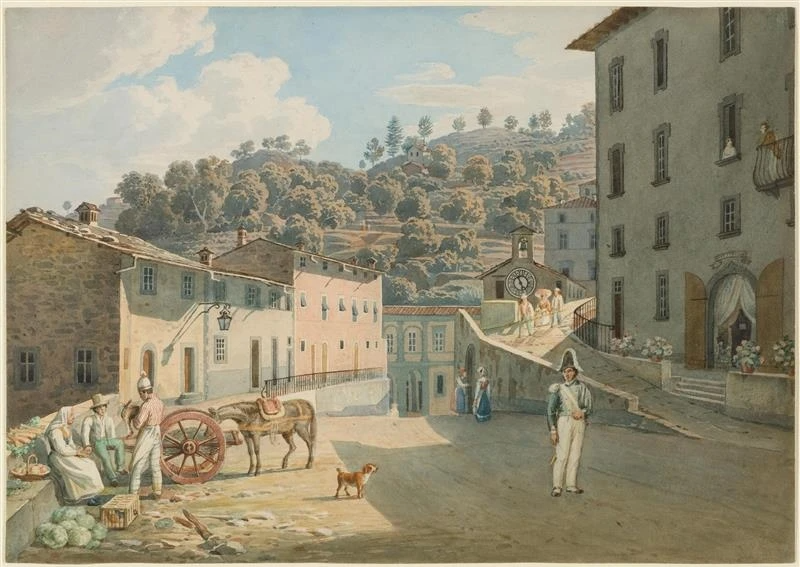
How to Build a Small Town in Texas
“Of all the questions I get on Twitter the most common is this: ‘How do you build a town?’ We know well how it used to be done, but these last one or two centuries we have forgotten how to do it (with only a handful of notable exceptions during the last century).
The other day I was asked again, but this time with a set of premises that made the question a little easier to approach. I have anonymized all the details but the general idea remains: four guys (friends) with money have bought a suitably large piece of land in Texas and now want to create a car-free human-scaled town of the kind that I am always writing about.
In this text I intend to set out the most bare-bone basic premises for how to start a good town, what is needed to build something anti-fragile and sustainable under the above mentioned scenario.”
Read more: How to Build a Small Town in Texas, Wrath of Gnon, July 2021. [Read more…]